President Biden published an executive order during his administration to get all pertinent federal agencies in line in regard to a potential digital dollar. Now during the second Trump administration progress is being made toward said digital dollar and it is not what some might have supposed just a few years ago. Stable coins are going to be the workhorse of a new digital dollar going forward. How is this going to work out and will it help or hurt your investments?
The Genius Act
According to the US Congress website the Genius Act lays out rules for regulating stable coins. Stable coins that are subsidiaries of depositary institutions, like banks, will be subject to the same banking regulations as banks are both on the federal and state levels. Unlike US dollars, stable coins will not be printed by the US government in order to pay bills but will be tied one to one to dollars. The Genius Act changes the perception of stable coins as an asset to be regulated to that of being an extension of the US dollar.
How Will Stable Coins As Digital Dollars Affect the Money Supply?
As envisioned by the Genius Act stable coins as digital money will not be equivalent to printing more money. Rather one can think of stable coin assets as swaps wherein one holds this form of cryptocurrency while the underlying dollars are pledged as backup assets. This mechanism will not produce more dollars and will therefore not be a stimulus for inflation. The current value of all stable coins in existence is a bit over a quarter of a trillion dollars. The total value of all US dollars including US treasuries and Federal Reserve notes is a bit greater than $230 trillion. Stablecoins held by banks will largely be backed by short term Federal Reserve notes.
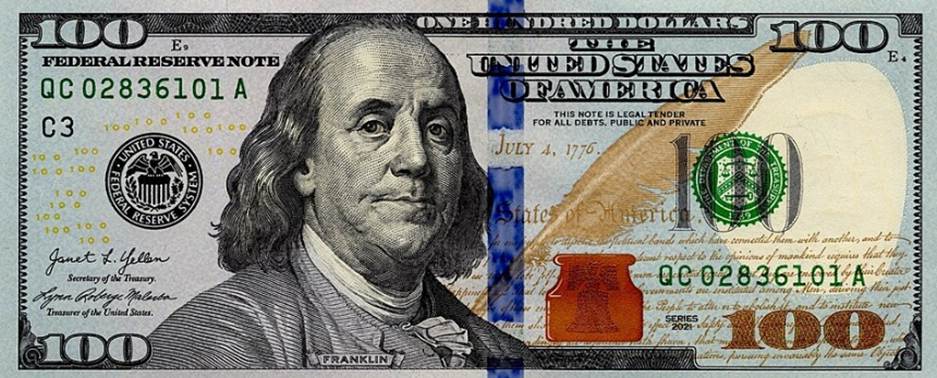
Stable Coin Value and the Value of the Underlying Asset
The monetary stability of stable coins comes from their being pegged to a fiat currency, most commonly the US dollar. Short term US treasuries are a common back up for stable coins. That being said, your stable coin deposits at your local bank will be as stable as those short term treasury notes and the US dollar itself. Thus your stable coin bank deposits will offer the same short term security but long term risk of inflation as your dollar deposits.
Investments Affected by Use of Stable Coins
The Brookings Institution wrote about the rise of stable coins and issues relating to cross border transactions. They expect increased use of stable coins such as expected with banks taking stable coin deposits to lead to issues of regulatory arbitrage and other systemic risks. They note that stable coins are attractive for cross border transactions due to increased transparency and transaction speed and will be especially attractive for investments in countries with fluctuating currency risk. Our concern is that the ease of using this route to engage in foreign transactions could lead the unwary investor into risky investments when more traditional investment routes such as American Depositary Receipts are commonly available. Investors will be wise to not let ease of investing supplant a solid intrinsic value investment approach while picking and following their investments! There is good reason to expect that allowing stable coins to be the new US digital dollars will prolong the central role of the greenback among international currencies. Nevertheless, an individual investor needs to look after their own financial wellbeing, choosing sound investments and not letting something new and shiny distract them. Follow this link to an interesting article by Bloomberg about how stable coins became part of America’s dollar strategy.