The screw worm is a parasitic pest that can infest and kill cattle. It was considered eradicated from the USA in 1966. However, cases have recently occurred in Mexico and the last reported one was within seventy miles south of the border with the USA. The futures market for live cattle jumped up by more than 2 percent on the news as traders consider what a screw worm outbreak in the USA would do to the US beef supply and, therefore, the price of beef. From an investment point of view one needs to ask can you make money trading live cattle futures? To do so you will need to know more about the screwworm and how an outbreak would affect US cattle.
History of the Screwworm in the USA
The history of the screwworm in the USA is this. The new world screwworm is a fly that infects cattle by laying its eggs in injured tissue such as tick bites, where cattle have been recently branded, scratches or cuts, or near the mouth anus, or ureter. The larva enlarges the wound where it grows and causes sufficient damage such that the cow can die. Before that happens the larva turns into a new fly and infects other cattle. The way that the screwworm was dealt with years ago was to release sterile males in sufficient numbers that few or no new screw worms are produced.
The screwworm has been present in the American Southwest since at least 1842. In 1933 a shipment of cattle from the Southwest to the Southeast of the USA contained infected animals. The outbreak was especially troublesome as it occurred during the economic difficulties of the Great Depression. The method used then for dealing with the screwworm was to release massive numbers of sterile males and to do so repeatedly until the flies were eradicated. This will be the approach if the infestation reaches the USA and is how it is being dealt with in Mexico. In addition, Ranchers need to pay close attention to their animals and deal with any infected wounds. insecticides are used on a case by case basis.
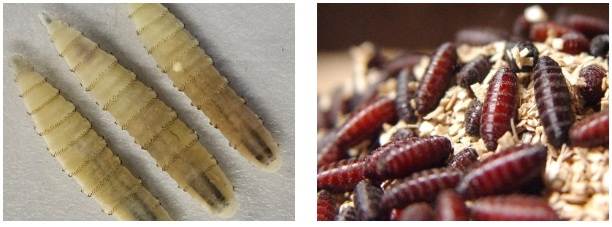
The most recent outbreak in the USA was in 1976 and ended up with $330 million in losses for ranchers. Reasonable estimates are that a similar outbreak today would cost closer to $1.9 billion in losses.
The issue for those interested in trading live cattle futures is that a major outbreak would result in significantly higher prices beef and for live cattle futures.
What Are Live Cattle Futures?
Live cattle futures are contracts for delivery of 40,000 pounds of full grown, live cattle that are ready for processing. The contracts are for future dates and specify how much the buyer will pay as of that date. Meat packers and feedlot operators commonly use these contracts to hedge their risk against price fluctuations. Speculators use these contracts hoping to profit for the same fluctuations. Under normal conditions, the pertinent variables are the cost of cattle feed and other costs of raising and processing cattle. In the case of a screwworm outbreak in the USA, the issue would be a scarcity of live cattle due to ranchers culling their herds.
How Great Is the Risk of a US Screwworm Outbreak?
While there are currently no screwworm cases in the USA, there are in Mexico where they deal with it by introducing sterile males into the population. The cases in Mexico have been progressively farther North and closer to the US border. When a case was reported in the Mexican state of Nuevo Leon only 120 miles from the US border is when live cattle futures popped up nearly 3% recently. While Mexican agricultural authorities are dealing with any outbreaks, the screwworm fly does not know any national borders and could simply keep moving North which could be a disaster for the US cattle industry and an opportunity for those interested in trading live cattle futures.