Crypto mining profitability in 2026 depends entirely on your ability to secure industrial-scale electricity rates and deploy the latest specialized hardware, as the days of profitable home mining on a standard PC are effectively over. If you aren’t paying less than four cents per kilowatt-hour, you’re likely spending more on power than you’re earning in digital assets. It’s a brutal, high-stakes arms race where only the most efficient survive.
Key Takeaways
- Energy costs must stay below $0.04/kWh to maintain a competitive margin in the current difficulty environment.
- The 2026 hash rate has reached record highs, meaning you need 30% more computing power than last year just to stay even.
- Diversifying into automated trading bots can often yield higher returns than physical hardware depreciation.
How do energy costs impact crypto mining profitability?
Electricity is the single biggest variable in your math. I’ve seen too many people buy expensive rigs only to realize their local utility bill eats every cent of profit. In 2026, the global network difficulty is so high that standard residential rates-usually between $0.12 and $0.20 per kWh – will result in a net loss every single month. You’re basically just buying crypto at a premium through your power company.
To actually make money, you need to think like an industrialist. Successful miners are now setting up shop near stranded energy sources, like remote hydroelectric dams or flared natural gas sites. If you can’t move your hardware to where the power is cheap, you’re better off using advanced crypto trading strategies to grow your stack without the overhead of a buzzing, heat-spitting machine in your garage.
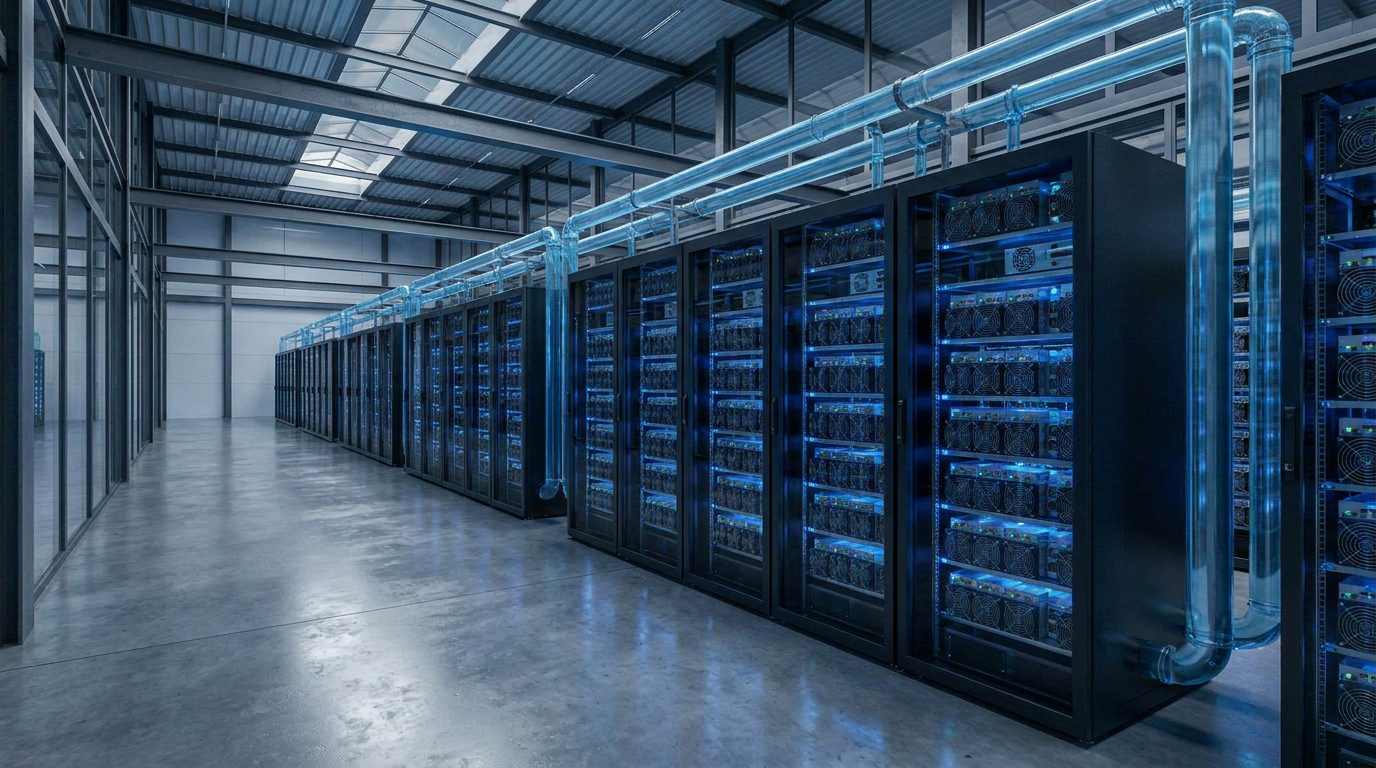
And let’s not forget about cooling. These machines run hot-really hot. If you’re spending another 20% of your budget just to keep the room from melting, your crypto mining profitability vanishes instantly. The pros use immersion cooling now, dunking their boards in specialized liquid to whisk heat away efficiently. It’s expensive to set up, but it’s the only way to keep hardware running long enough to hit ROI.
Which hardware offers the best return on investment?
The hardware game has changed. We’re no longer talking about grabbing a few GPUs from the local electronics store. For Bitcoin, it’s all about the latest generation of ASICs (Application-Specific Integrated Circuits) that boast incredible efficiency ratios. If your gear is more than two years old, it’s probably headed for the scrap heap because it simply can’t compete with the newer, more efficient chips hitting the market this year.
But here’s the kicker. Hardware depreciates faster than almost any other asset class. By the time you unbox a new miner, a more efficient version is already in testing. This is why I always suggest that traders analyze market charts and technical indicators before dropping $10,000 on a physical rig. Sometimes, just buying the underlying asset is the smarter move.
Consider the secondary market too. When crypto prices dip, desperate miners flood eBay and Telegram with used gear. You might think you’re getting a deal, but you’re usually buying someone else’s headache. These machines have been run at 100% capacity in dusty warehouses for months. Unless you’re a wizard with a soldering iron, stick to new equipment or skip the hardware headache entirely.
Is cloud mining a legitimate way to profit?
I’ll be blunt: most cloud mining is a trap. The idea sounds great – you pay someone else to run the hardware and they send you the coins. But once you factor in their “maintenance fees” and the fact that they keep the best hardware for themselves, the math rarely works out in your favor. In many cases, these platforms are just Ponzi schemes dressed up in tech jargon.
If you want exposure to the mining sector without the noise, look at publicly traded mining companies instead. You can use a professional financial analytics platform to compare the balance sheets of the big players. This lets you bet on the industry’s growth without having to worry about a blown fuse or a failed cooling fan at 3:00 AM.
The real profit in 2026 isn’t coming from the “set it and forget it” crowd. It’s coming from people who are hyper-active in managing their positions. Whether that’s through mining or trading, you need real-time data. I’ve found that watching expert-led crypto workshops can give you a much better perspective on where the market is headed than any mining calculator ever could.
What This Means for You
Crypto mining profitability is still achievable, but it’s no longer a hobby. It is a cutthroat commodity business that requires massive scale and dirt-cheap energy to work. For the average investor, the risk-to-reward ratio of buying hardware is often worse than simply learning to trade the volatility effectively.
Frequently Asked Questions
Can I still mine Bitcoin on my laptop?
No, mining Bitcoin on a laptop is impossible in 2026; you would spend thousands of dollars in electricity to earn a few cents worth of BTC.
How long does it take to break even on a mining rig?
Currently, most miners take between 14 and 22 months to reach break-even, assuming crypto prices remain stable and energy costs stay low.
Is mining more profitable than buying crypto directly?
For most people, buying crypto directly is more profitable because it avoids hardware depreciation, maintenance costs, and high electricity bills.